

A Predictive Tool for Antibody Drug Conjugates
The right treatments. The right patients.
Antibody drug conjugates (ADCs) are targeted chemotherapy designed to bring the chemotherapeutic drug to the cancer cells while sparing normal tissue.
ADCs are at the forefront of new anticancer treatment with more than 170 different ADCs evaluated in clinical trials and 12 clinically approved. Despite their success, ADCs have complex toxicity profiles and there is a variability of response among patients. Thus, many patients experience suboptimal treatment with severe side effects and a reduced chance of response. There is a critical need to improve ADC patient stratification and select the right treatment to each patient.
The Problem

Current practise in ADC patient selection includes identification of the cancer cell surface marker to which the ADC bind. This practise does not take into account that ADCs needs to be taken up into the cell in order to exert their effect. Our work has focused on identifying intracellular proteins that determine ADC response. We have shown that these proteins can be used as predictive biomarkers for ADCs and thereby refine patient selection and overall response.

The Solution


ADC patient stratification holds profound implications for both cancer treatment and drug development.
Patients

Improved patient selection for ADC treatments will increase the response rate and spare patients that are unlikely to respond from treatment that is not working.
Pharma Companies

Enabling the selection of the right patients for clinical ADC trials, with the potential to increase the response rate and reduce costs and risk in ADC development.
Health Care Providers / Payers

Selecting the right patients has the potential to save significant costs and provide rational use of limited resources.
Finding the right patients
ADCs represent a new era in cancer treatment. However, there is still a pressing need for advanced biomarker insight to optimize patient selection.
Our data show that Rab-GTPases, a protein crucial in endocytosis, impact ADC efficacy in patients. Furthermore, we have demonstrated that quantification of specific Rab-GTPases expression can be used as a predictive biomarker for ADC response. We have developed proprietary tools, models and assays that predict the response of ADCs to support precision medicine in oncology.


Discovery/Preclinical
• In vitro cell based models
• Histology studies
• Gene (RNA) /Protein (IHC/IF) expression
• Rab-GTPase RUO kit development

Benefits
• Understand response rate
• Disease/Market strategy
• Decreased risk and costs
• Improved probability of success
Clinical trials
• Rab-GTPases biomarker prevalence
• Translational studies
• Clinical trial patient selection and stratification
• Diagnostic kit development
Benefits
• Understand ADC MoA
• Biomarker identification
• Lead candidate selection
• Informed decisions
Commercial
• Dx/Rx co-launch
• Complementary diagnostics
• Companion diagnostics
Benefits
• Faster market access
• Improved clinical acceptance and adoption
• Differentiation in the market


Management Team

-
Researcher and entrepreneur within targeted cancer therapeutics. Strong scientific track record within experimental therapeutics and drug delivery. She is a project group leader at Oslo University Hospial and has a solid network of researchers, clinicians and health science innovators. Anette is PhD and Master of Pharmacy from Oslo University Norway.

-
With over 25 years of experience in the pharmaceutical and biotech industries, Audun brings deep expertise to diagnostic and therapeutic development, spanning from early research through clinical trials. His background includes international line and project management roles within large pharmaceutical companies, as well as CEO/COO positions in biotech startups.
Audun possesses a strong track record in product development and technology commercialization. He is inventor of 10 patents in diagnostics and cancer therapy and offers extensive experience in intellectual property strategy and management. Audun holds an MSc in Applied Physics from Linköping Institute of Technology.

-
With more than 20 years of experience, Hans Christian is a seasoned leader with competencies both in cancer diagnostic development combined with a decade of commercial leadership. He has a strong track record of advancing innovative diagnostic solutions , including FDA-approved companion diagnostics and high-impact clinical services across molecular diagnostics, pathology, and early cancer detection.
His experience spans both entrepreneurial and corporate environments, with deep expertise in development, regulatory, product management, marketing and sales of diagnostics. Hans Christian holds a MSc in Molecular Biology from University of Copenhagen.
Team

-
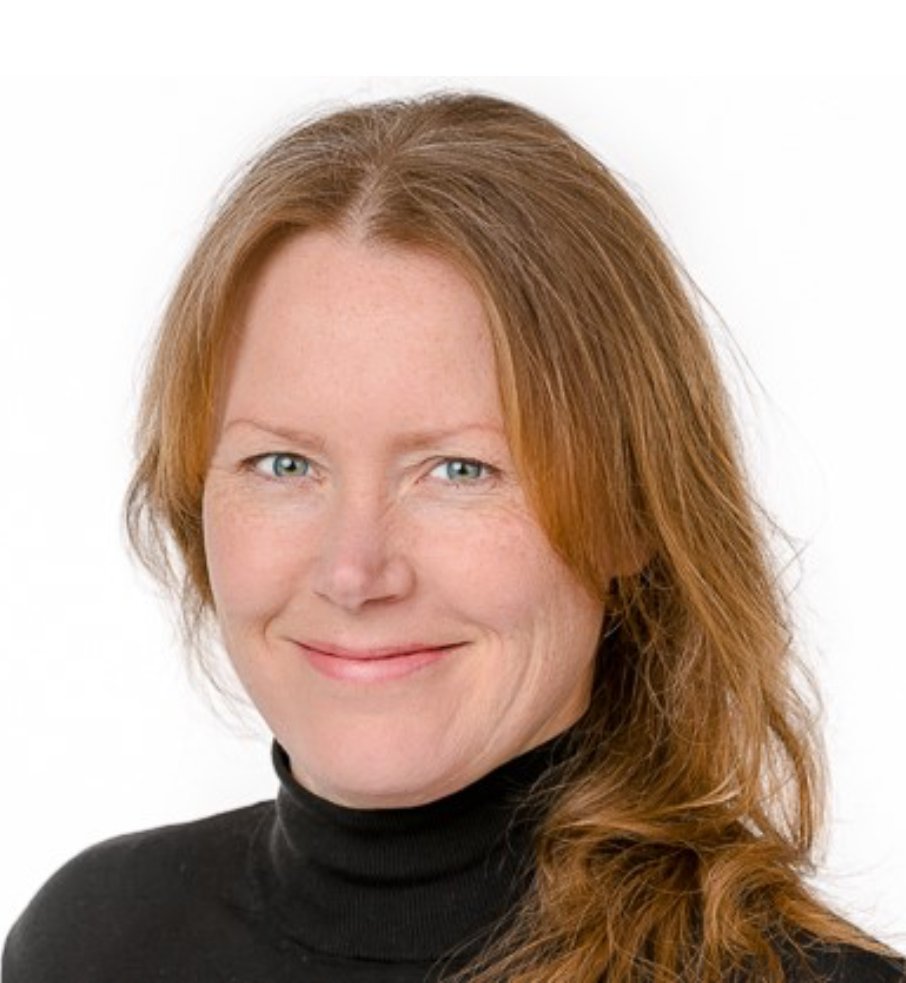
Hans Petter has more than 20 years of experience from the life science sector, working as a part-time CFO for several biotech and med-tech companies. Hans Petter has previously held positions as Investment Manager in SND Invest AS and Investor Relations at Christiania Bank.Hans Petter holds a Master of Science in Finance from the University of Wisconsin and a Master of General Business from BI.
-
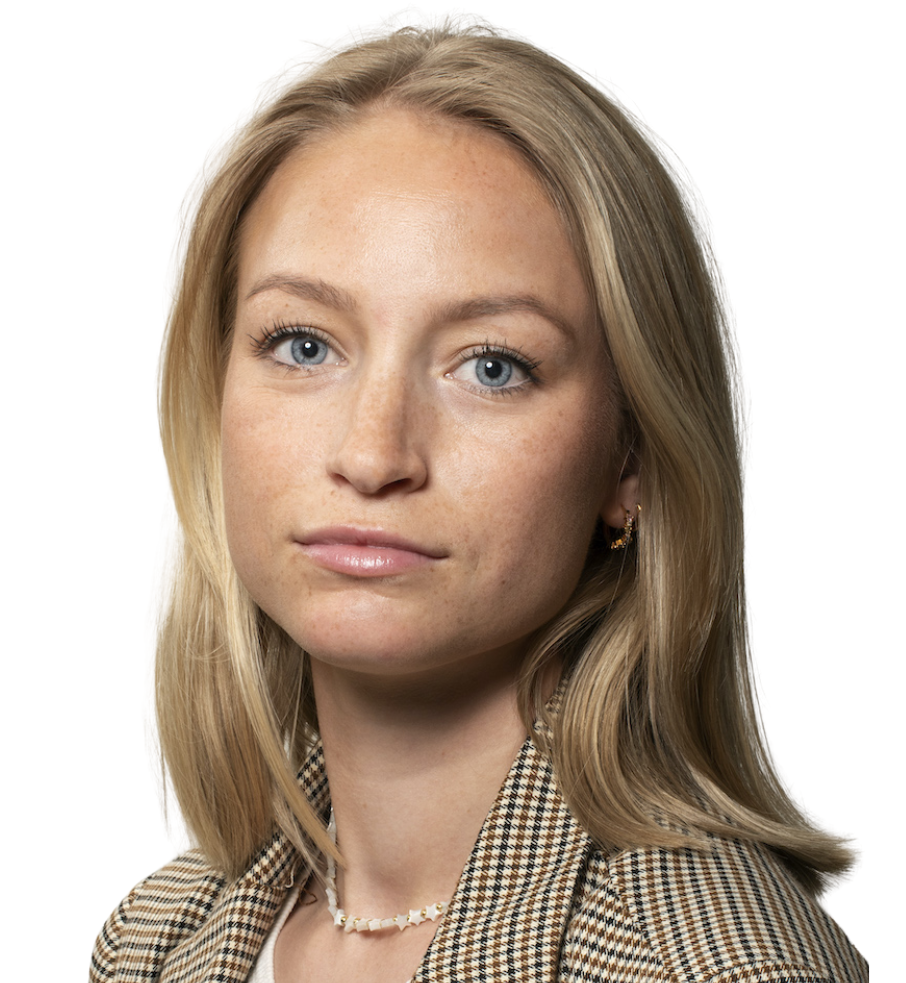
Camilla has solid experience defining and executing regulatory strategy in start-up companies within the Medico-and Pharmaceutical Industries leading development projects through the entire lifecycle - from initial regulatory strategy and collaboration with Regulatory Authorities to the final technical documentation required for global market entry.
Camilla combines a theoretical background in Biology with a business-driven approach to align regulatory strategy with commercial goals.
-
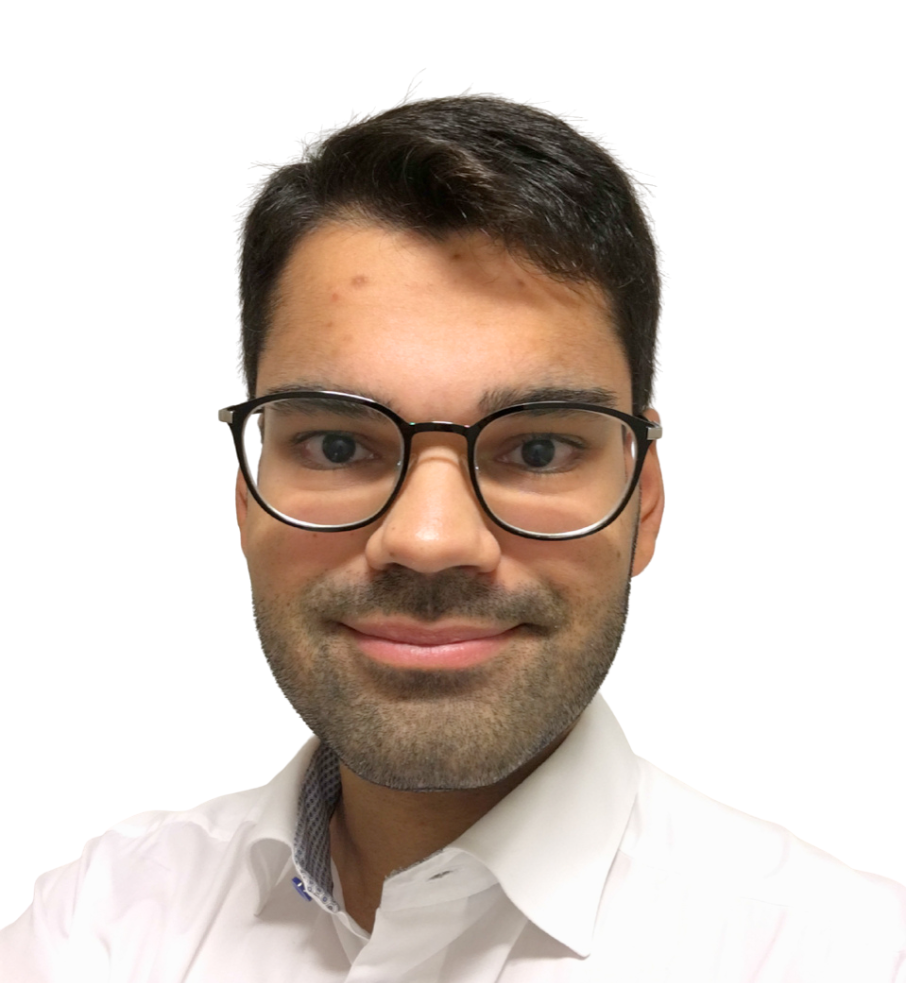
Researcher and molecular biologist specializing in cancer immunology and radiation biology. He is a researcher at the Institute for Cancer Research at Oslo University Hospital, with extensive research experience in cancer biology and therapeutic approaches. Adrian holds a PhD in Molecular Biology, Cancer Immunology and Radiation Biology from the University of Oslo, as well as an MSc in Molecular Biosciences.
-
Researcher within targeted cancer therapeutics, with a strong scientific background in oncology, cancer biology and antibody-drug conjugates (ADCs). She is a scientist at Rab Diagnostics and has previously conducted her PhD research at Oslo University Hospital, focusing on cancer treatment. Astrid holds a PhD in Oncology and Cancer Biology from the University of Oslo and a Master’s degree in Molecular Biology from the University of Bergen.
Board of Directors

-
Medical doctor with extensive experience from the Pharmaceutical Industry. He is chairman of the board for Oslo Cancer Cluster and has solid experience with start- up companies within health science.
Øyvind is dr. med from Oslo University, Norway
-
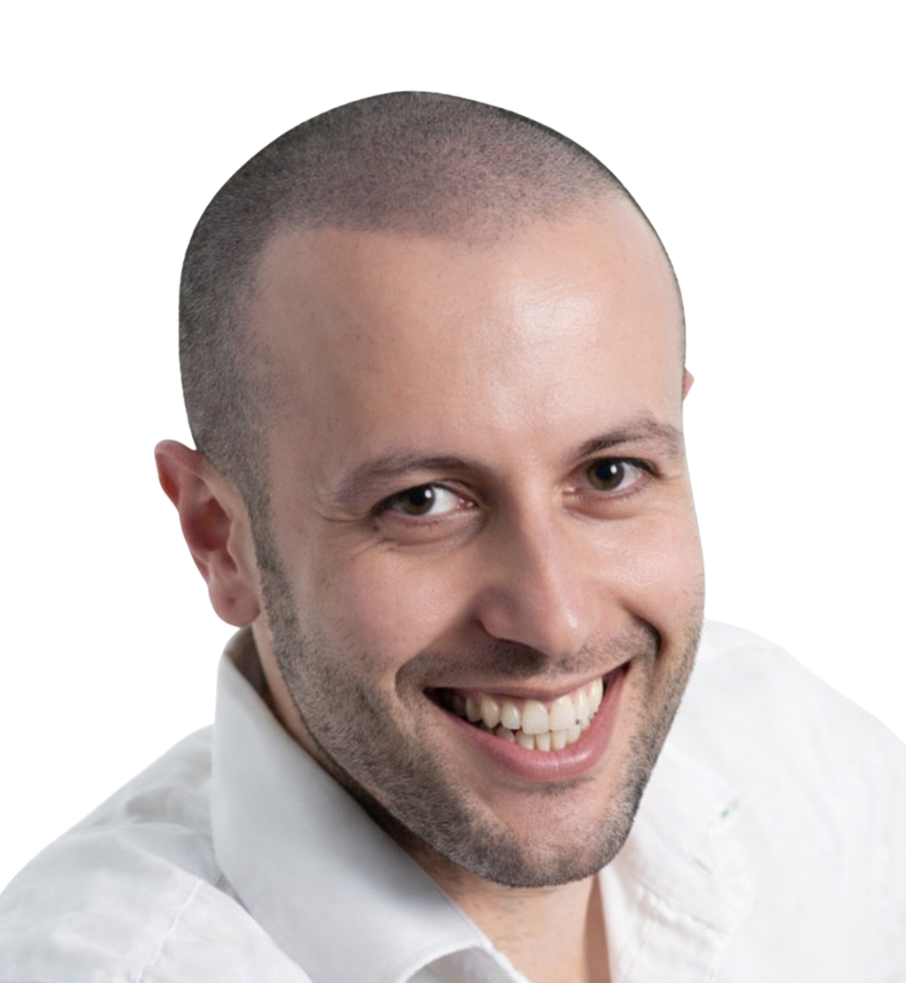
Hani is a serial entrepreneur having built successful technology companies. He brings expertise spanning computer science, business, and the life sciences, with a particular focus on computational biology and theoretical chemistry.
Hani holds degrees in computer science, marketing, computational biology and theoretical & quantum chemistry.

-
Anne Mathilde Kvamme has a strong track record in clinical drug development and has previously been appointed as Head Clinical Operations at Boehringer Ingelheim Norway. She is team leader for research support at Haukeland University Hospital.
Anne Mathilde is Master of Pharmacy from Oslo University, Norway

-
Tore Rynning-Nielsen has more than 40 years of work experience from international capital markets, private equity and entrepreneurship, first in New York and then across the Nordic countries. He has also worked extensively in pro-bono initiatives, responsible for developing Fontenehusene in Norway, and Neste steg Norge.
He has a BA from University of Masachusetts at Amherst, and an MBA from Tuck School at Dartmouth in the US.

-
Professor, Researcher and innovator within experimental cancer therapy. He has a strong track record on clinical implementation of translational science, and has been fundamental for protected technology behind both Photocure and PCI Biotech.
Professor Berg is Cand real from Oslo University, Norway
-
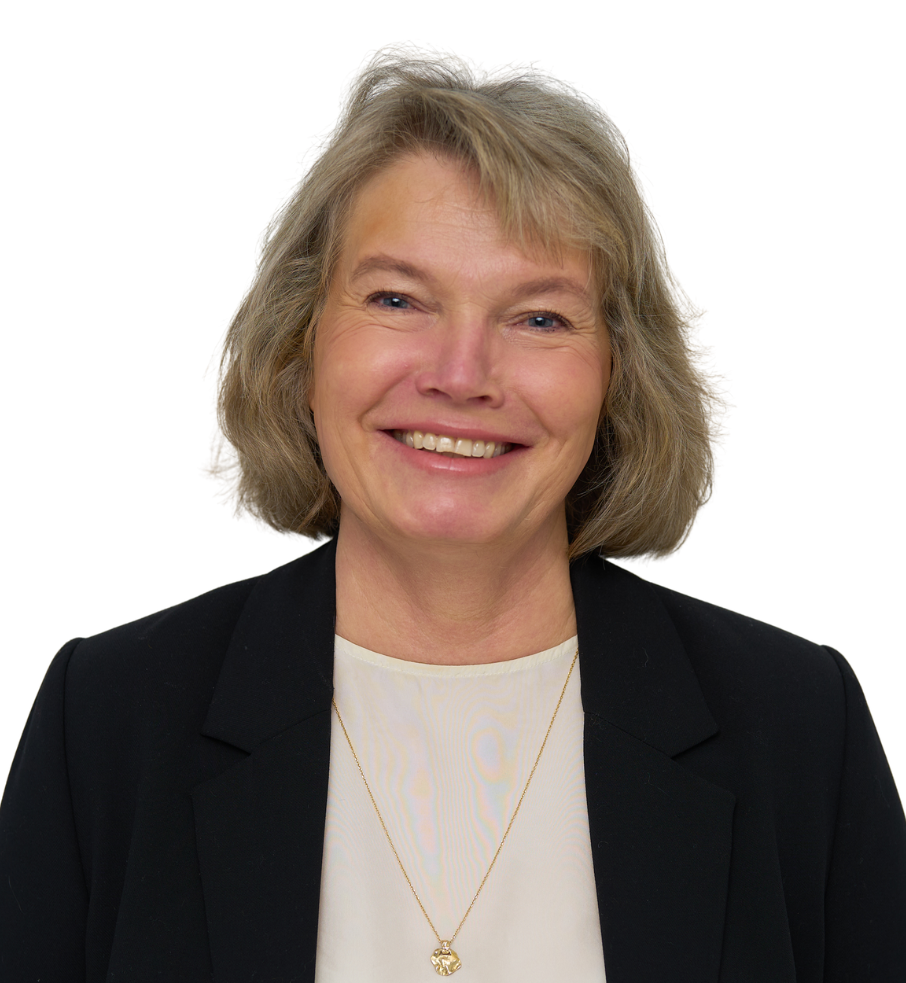
Emilie Lasson is the Senior Vice President in NorthSea Therapeutics, a Netherland Biotech company developing therapies for metabolic, inflammatory and fibrotic diseases. More than 25 years of experience from different positions in the Life Science Industry such as Thermo Fischer, Xellia, BASF, Genetic Analysis. She is currently chairman of the board in Labrida AS, an oral MedTech company.
Emilie holds a Master’s Degree in Chemical engineering from NTNU, and a PhD in Chemistry from the University of Oslo.

Scientific Advisory Board
-
Attending oncologist & senior scientist at Oslo University Hospital and associated professor at University of Oslo. He has more than 20+ years in clinical research and has participated in several clinical committees, working groups & boards. Since 2003 he has been involved, both as principal & co-investigator, in setting up & implementing clinical trials incl. multicentre, randomized phase II studies, and as a national coordinating PI in phase III studies. Olav is dr.med. from University of Bergen, Norway

-
Award-winning Chief Scientific Officer, Committee Member and Senior Leader. She has expertise in the fields of Personalized Medicine and Cancer Diagnostics where she driven innovations and product commercialization for leading biotechnology companies, including multiple Companion Diagnostics products, in partnership with pharma


. Reach out and let’s make an impact.
